

Sikhs in Clinical Research Drives Health and Research Awareness Across the U.S. Sikh Community
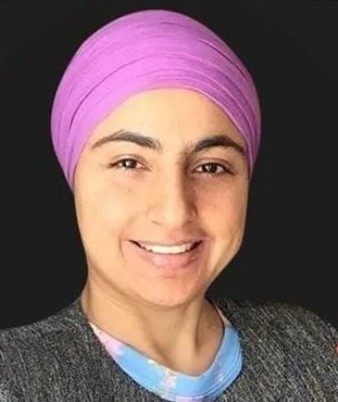
Ekta Grewal, Founder, Sikhs In Clinical Research
“Clinical research is not just about treatments. It is about hope, access, and safe care,” says Ekta. “Representation in research is fundamental. Without it, treatments may not be safe or effective for all communities.”
Since its inception, Sikhs in Clinical Research has conducted over 50 outreach events across 15 states, engaging more than 7,000 individuals, distributing thousands of educational pamphlets including materials translated into Punjabi, and collecting feedback through surveys and testimonials. These events are designed not only to inform but also to foster dialogue in trusted spaces, address cultural and language barriers, and meet communities where they are.
The engagement efforts reveal critical insights into health needs and perceptions. Survey data shows that cardiovascular conditions affect more than half of surveyed individuals, diabetes is highly prevalent, and women report higher rates of arthritis. Oncology-focused outreach highlights fear and misconceptions around cancer screening including breast and colorectal cancers. Many cancer survivors and patients in remission were unaware that clinical trials could have been a treatment option, demonstrating a major gap in awareness.
Community education campaigns have shown measurable impact. After participating in events, 92 percent of attendees expressed willingness to pursue regular diabetes screening and all women over 40 indicated readiness to perform breast self-examinations or schedule mammograms. Patient voices underscore these outcomes. One breast cancer survivor shared, “You have to be your own advocate. It is your body.” Another participant noted, “None of my doctors ever told me that a clinical research option exists. I would love to participate in it.” These firsthand accounts highlight both systemic gaps and the importance of culturally relevant education.
The work extends beyond awareness. Through educational booths, translated resources, and patient interviews, the organization helps individuals navigate healthcare for preventative screenings and clinical research wherever possible, understand safeguards such as informed consent and IRB oversight, and explore opportunities to access new treatments early. Feedback shows that community awareness of clinical research almost doubled following these events.
Ekta Grewal brings over a decade of clinical research experience in diverse community settings. She emphasizes, “The Sikh community has always been ahead in humanitarian service, from blood donation drives to free meals to anyone in need, but few efforts have focused on helping the community understand the participation in research. One of the biggest barriers is simply not being informed.”
The organization also provides tools for healthcare professionals including the Sikh Patient Care Guide for Healthcare Workers to promote culturally competent care. One healthcare professional noted, “It has increased my understanding of the faith and patient needs. I now respect considerations such as uncut hair and cultural practices.” By providing these resources, the organization aims to strengthen trust, communication, and satisfaction between providers and patients.
Looking ahead, the organization aims to expand outreach across more U.S. states, strengthen relationships, and amplify Sikh voices in healthcare and research. The organization calls on industry partners, healthcare leaders, and policymakers to invest in education, collaborate with trusted community leaders, and ensure that underrepresented populations are reached for information in line with FDA 2025 guidance “Enhancing Participation in Clinical Trials - Eligibility Criteria, Enrollment Practices, and Trial Design.”
“Our mission is simple but not easy,” says Ekta. “We meet communities where they are, provide accessible education, and empower individuals to take charge of their health. Trust is the foundation of research, and together we can ensure that every community has equal access, opportunity, and representation in healthcare and clinical trials.”
Through sustained engagement, culturally informed resources, and a patient-centered approach, the Sikh community is becoming more visible, informed, and empowered in clinical research, helping pave the way for improved health outcomes, earlier diagnosis, and broader participation in scientific progress. The organization emphasizes that lasting change requires collaboration across industry stakeholders in the healthcare and research ecosystem.
Ekta Grewal
Sikhs In Clinical Research
+1 847-454-3872
email us here
Visit us on social media:
LinkedIn
Instagram
Facebook
YouTube
X
Legal Disclaimer:
EIN Presswire provides this news content "as is" without warranty of any kind. We do not accept any responsibility or liability for the accuracy, content, images, videos, licenses, completeness, legality, or reliability of the information contained in this article. If you have any complaints or copyright issues related to this article, kindly contact the author above.
